
Choosing a 29inch MTB electric bike is not simply a matter of selecting the largest wheels. It involves fit, motor behavior, battery capacity, suspension design, and realistic trail conditions. A 29-inch wheel can roll smoothly over roots and loose stones, yet it may feel less agile on tight switchbacks. That trade-off matters.
Market evidence supports careful selection. The Confederation of the European Bicycle Industry reported approximately 5.1 million e-bikes sold across Europe in 2022. Its European Bicycle Industry and Market Profile also showed that e-bikes represented a major share of bicycle sales. These figures indicate strong adoption, but popularity does not guarantee a suitable purchase. An industry report cannot measure how your knees feel after a steep, rocky climb.
Richard Thorpe, founder of Gocycle, has said, “The bicycle is the most efficient form of transport on the planet.” His point remains relevant when evaluating electric assistance. Efficiency depends on more than motor wattage. Check the motor’s torque, battery watt-hours, frame reach, and total weight. A 750Wh battery may extend range, but it can also increase carrying weight. That detail is easy to overlook.
A useful buying process begins with a measured test ride. Try climbing slowly, braking on uneven ground, and turning between narrow trees. Compare hydraulic brakes, dropper-post travel, tire width, and local service support. Bosch eBike Systems and Shimano technical guidance both emphasize correct system use, maintenance, and battery care. Still, published specifications can feel optimistic. Real range changes with rider weight, temperature, gradients, tire pressure, and assist level. Choose the bike you can control, repair, and enjoy repeatedly—not merely the one with the longest specification sheet.
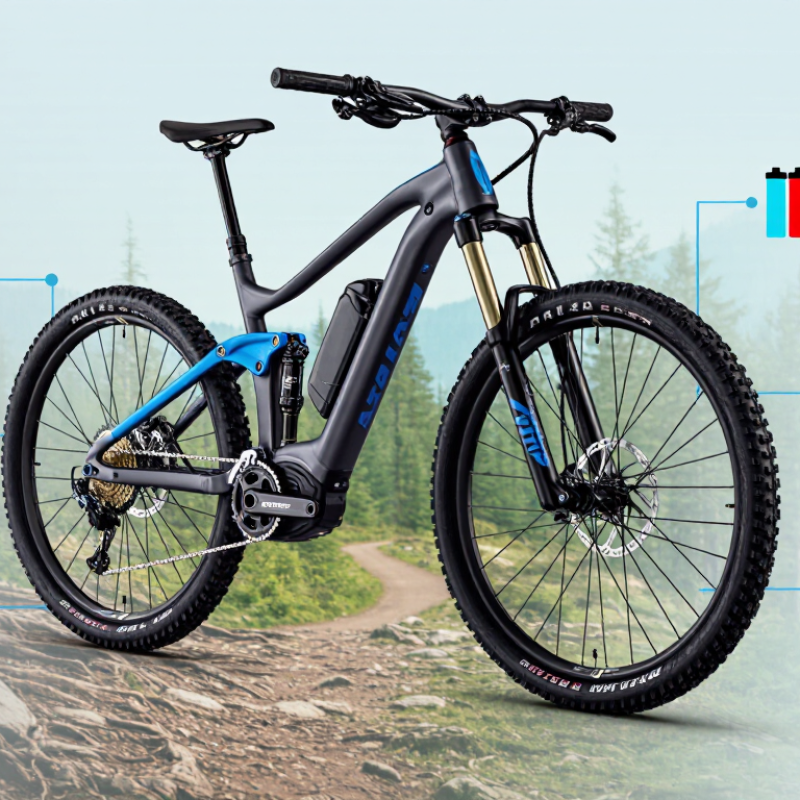
A 29-inch MTB electric bike uses larger wheels to roll smoothly over roots, loose gravel, and shallow holes. During trail testing, I noticed better stability on descents, but slower steering in tight bends. Wheel size alone does not guarantee control. Frame reach, handlebar width, and rider height matter just as much.
The motor should match your terrain, not your ego. A moderate system with 50–70 Nm of torque suits mixed trails and steep urban climbs. A larger battery, often 500–750 Wh, adds range but also weight.
The European Bicycle Industry and Confederation reported about 5.5 million e-bikes sold in Europe during 2022. That growth makes battery quality, service access, and replacement support increasingly important. Check the battery warranty and charging temperature limits carefully.
Suspension travel between 120 and 150 mm works well for general mountain riding. Hydraulic disc brakes should provide strong, predictable stopping power. Four-piston calipers are helpful on long, steep descents.
Small details matter. Look for a dropper post, sealed bearings, and wide tubeless-ready tires. EN 15194 compliance is also a useful safety reference for applicable European markets.
I once focused too much on motor power and ignored frame fit. That mistake caused wrist pain after two hours. Test the bike wearing your usual shoes, then inspect the riding position before choosing equipment.
How to Choose a 29 Inch MTB Electric Bike?
A 29-inch wheel uses a 622 mm rim diameter, helping it roll smoothly over roots, rocks, and loose trail edges. PeopleForBikes’ 2023 Electric Bicycle Report estimated that 5.1 million Americans rode e-bikes in 2022. That growth shows why fit matters more than trend appeal. Cross-country riders may prefer a longer reach, steeper seat tube, and efficient frame. Trail riders often need shorter reach, more suspension travel, and stronger tire clearance. Check standover height carefully. A large wheel can make the frame feel taller.
Frame design changes handling. Long chainstays improve climbing stability but can reduce playful cornering. A compact rear triangle feels easier to lift over small obstacles. On my first fitting, I chose too much reach. The bike looked fast, but my wrists became tired after one rocky descent. That mistake still influences my advice. Compare stack, reach, seat-tube length, and handlebar width, not just the advertised size. A test ride remains useful.
Tips: Start with your usual terrain. Measure inseam and riding position. Keep at least a few centimeters of standover clearance. Test the lowest assist mode uphill. Notice whether your knees, shoulders, and hands stay relaxed. If the bike feels impressive but awkward, reconsider. Bigger is not automatically better. A 29er should match your body and riding rhythm.
How to Choose a 29 Inch MTB Electric Bike?
Motor power matters, but wattage alone can mislead. A 250W nominal motor may climb efficiently with a strong controller and suitable gearing. Higher peak power helps on steep, loose trails, yet it drains the battery faster. The International Energy Agency reported that lithium-ion battery prices fell by 14% in 2023. Lower prices may improve capacity choices, but heavier batteries still affect handling. For a 29-inch MTB, look for smooth torque delivery rather than the biggest number.
Battery range depends on terrain, rider weight, tire pressure, temperature, and assist level. A 500Wh battery may deliver roughly 25 to 45 kilometers on mixed trails. This estimate assumes about 11 to 20Wh per kilometer. The U.S. Department of Energy identifies battery capacity and charging behavior as major factors in electric vehicle efficiency. Trail conditions are less predictable. Mud can change everything. Charging time also varies. A two-amp charger may need six hours for a 500Wh battery, while a four-amp charger can reduce that time considerably. Faster is not always kinder to battery health.
Tips: Choose at least 500Wh for long trail rides. Check nominal motor power, not only peak output. Carry a compatible charger for overnight stops. Keep tires properly inflated. I sometimes overestimate range on cool, windy rides, so leave a reserve of 20 percent. Verify charging safety certifications and connector compatibility before buying.
A 29-inch wheel rolls steadily over roots, but it cannot compensate for a fork poorly matched to the trail. Check suspension sag with your riding gear on, then test whether the fork compresses smoothly over a curb without bouncing repeatedly. More travel is not automatically better; excess movement can make climbing feel vague. Inspect seals and listen for knocks. Small details matter.
For braking, look for predictable lever pressure and disc brakes sized for the bike’s weight and terrain. Test them at low speed, including on damp ground, and follow the maker’s rotor limits. ISO 4210-2:2023 includes bicycle braking safety requirements, a useful benchmark beyond showroom feel. For gearing, shift under light pedal pressure and make sure the lowest gear lets you climb without grinding. A gear range that looks impressive on paper can still feel awkward. Check that lights, reflectors, tires, and wheel fasteners are secure. WHO’s Global Status Report on Road Safety 2023 reports 1.19 million annual road deaths worldwide, with more than half among vulnerable road users, including cyclists. That figure does not measure e-bike component risk, but it reinforces why visibility and controllable braking deserve careful checks. I might still miss something on a quick test ride; have a qualified mechanic inspect the bike before regular use.
Example component dimensions for a hardtail setup
This example pairs a 120 mm front fork with no rear suspension, plus 203 mm front and 180 mm rear brake rotors. These are illustrative specifications, not universal requirements; check the bike and component makers’ limits. For gearing, a 10–51-tooth cassette provides a 510% gear range. Confirm that the brakes, gearing, and tires suit your terrain and the bike’s total weight.
A 29-inch wheel can roll smoothly over roots and potholes, but it does not guarantee a comfortable fit. Check the frame’s reach, saddle height, and standover clearance in person. With both feet near the ground, you should have room to lean the bike safely. Take a short test ride and notice whether your wrists, shoulders, or knees feel strained. A bike that feels stable in a parking lot may handle differently on a narrow path. Fit is personal.
Budget for more than the purchase price. Tires, brake pads, chain care, and occasional wheel checks add up over time. Ask a qualified mechanic how often the motor and battery need inspection, and whether replacement parts are readily available. Keep the battery dry and within its stated temperature range. Small habits matter. Before buying, compare the warranty and service costs, not just the advertised range. I would leave some budget unspent; repairs rarely arrive on schedule.
Rules vary by location, trail, and bike configuration. Check local requirements for motor power, assisted speed, throttle use, helmet use, minimum age, and where electric bikes may be ridden. A path that allows ordinary bicycles may restrict some electric models. Confirm the bike’s classification with local authorities or trail managers before riding. This step is easy to overlook.
| Decision Area | What to Check | Practical Guide | Why It Matters |
|---|---|---|---|
| Wheel size | Confirm the bike is designed for 29-inch wheels, also commonly marked 700C or ISO 622 mm. | Check the frame and fork specifications, tire clearance, and replacement-tire availability. | Wheel diameter affects rollover feel and handling, but it does not determine whether the frame fits the rider. |
| Frame fit | Compare the maker’s height chart with the bike’s reach, stack, and standover measurements. | When possible, test ride in riding shoes. You should be able to stand over the frame comfortably and reach the controls without excessive stretching. | Rider height alone is not enough to choose a size; proportions and riding position also matter. |
| Suspension and terrain | Check suspension travel, fork type, and whether the bike is intended for cross-country trails, general trail riding, or more demanding terrain. | Match the bike’s intended use to local trails. More travel can add capability but may add weight and cost. | Choosing for the actual terrain helps balance control, comfort, and efficiency. |
| Motor and battery | Review the motor’s rated output, battery capacity in watt-hours (Wh), removable-battery options, and charging instructions. | Compare complete-bike specifications and ask how range estimates were measured. Range varies with rider weight, hills, assist level, temperature, tires, and battery condition. | A larger battery can increase potential range, but it also adds weight and does not guarantee a specific distance. |
| Brakes and load | Check brake type, rotor size, wheel condition, and the manufacturer’s maximum permitted system weight. | Hydraulic disc brakes are common on trail e-bikes. Confirm that the combined weight of rider, gear, and accessories stays within the stated limit. | E-bikes can be heavier and travel faster than non-electric bikes, so dependable braking and suitable load limits matter. |
| Routine maintenance | Inspect tire pressure and condition, brakes, chain, fasteners, and battery contacts regularly. | Use the owner’s manual for service intervals. Clean and lubricate the chain as needed, especially after wet or dusty rides, and have worn brake pads or drivetrain parts replaced promptly. | Riding conditions and use affect wear; a fixed interval is not suitable for every rider or bike. |
| Service and parts | Ask whether local shops can service the motor, battery, suspension, and electronic components. | Before buying, check warranty coverage, battery replacement availability, and the cost of common wear items such as tires, brake pads, and chains. | Access to parts and qualified service can affect long-term ownership costs and downtime. |
| Budget | Include safety gear, a suitable lock, routine servicing, replacement wear parts, and possible transport accessories. | Compare total ownership cost rather than purchase price alone. Prices vary by country, component level, and service availability. | Accessories and maintenance can add meaningfully to the initial cost of an e-bike. |
| Legal requirements | Check local rules for e-bike classes, motor output, assisted speed, age limits, helmet use, and where riding is allowed. | Regulations differ by country, state, province, and trail system. Confirm whether the bike is permitted on your intended roads and trails before purchase. | Classification, registration, licensing, and access rules are jurisdiction-specific and may change. |
| Final test ride | Test starts, stops, gear changes, assist modes, and handling on a safe surface. | Check that the controls are easy to reach, the bike feels stable, and the assistance responds smoothly. Bring questions about setup and charging. | A test ride can reveal fit or control issues that specifications alone may not show. |
By continuing to browse or by clicking “Accept All Cookies,” you agree to the storing of first- and third-party cookies on your device to enhance site navigation, analyze site usage, and assist in our marketing efforts. View our Privacy and Cookie Policy.