Global buyers are reassessing sanitary connectors as food, beverage, pharmaceutical, and personal-care production expands. Grand View Research valued the global food processing equipment market at approximately USD 52.4 billion in 2022. Its forecast also indicates steady growth through 2030. That expansion increases demand for reliable hygienic connections, not simply cheaper fittings. Market reports from Research and Markets similarly identify automation, clean-in-place systems, and contamination control as important purchasing drivers.
This guide examines the leading sanitary connectors for 2026, including tri-clamp, butt-weld, aseptic, flanged, and hygienic threaded designs. It considers 316L stainless steel, surface finishes near Ra 0.8 micrometres, gasket compatibility, pressure ratings, and cleaning cycles. Small details matter. A rough weld can trap residue. A poorly selected gasket can swell after repeated chemical exposure. Dr. John Holah, a recognized food-hygiene design specialist, has stated, “Cleaning cannot compensate for poor hygienic design.” That principle remains practical on a production floor.
The ranking is useful, but it is not absolute. A pharmaceutical line may prioritize sterility and traceability. A dairy plant may value rapid disassembly and lower maintenance costs. Buyers should compare certification, dimensional accuracy, supplier testing, and replacement availability. EHEDG guidance and 3-A Sanitary Standards provide valuable reference points, yet regional requirements can differ. I may favor clamp connections for flexibility, but that preference is not universal. The best sanitary connectors depend on process temperature, fluid viscosity, cleaning chemistry, installation space, and verified supplier experience. Reliability begins with evidence, not attractive catalog photographs.
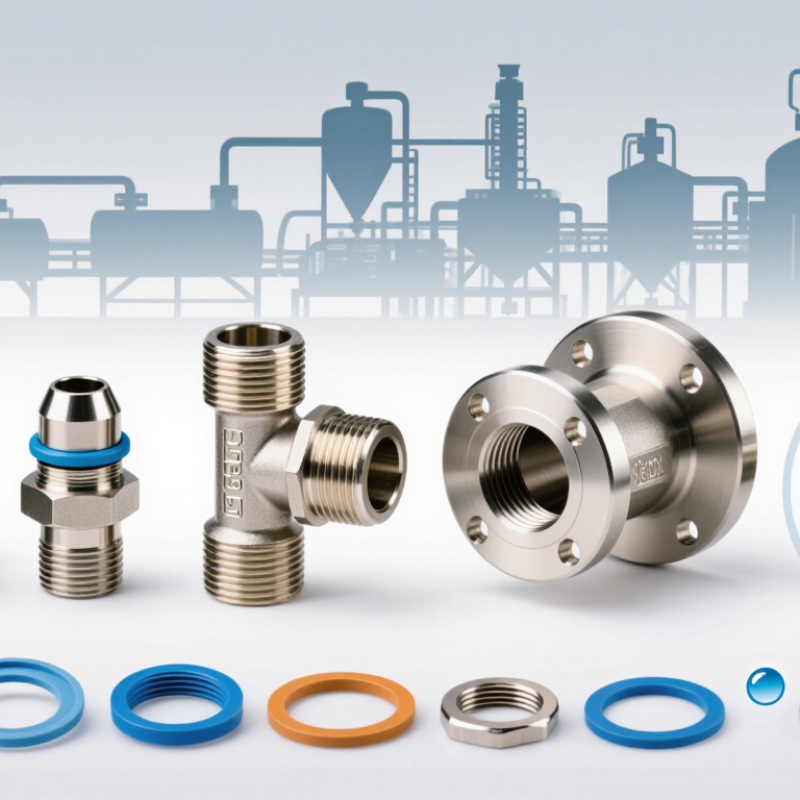
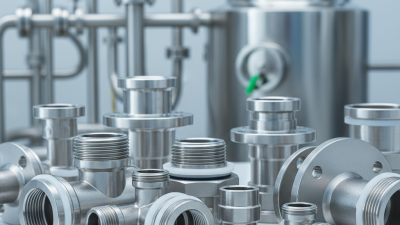
Sanitary connectors are hygienic fittings that join pipes, tanks, valves, pumps, and processing equipment. They usually use stainless steel, polished surfaces, and food-grade seals. Their main purpose is simple: keep product contact areas cleanable and protected.
This matters because tiny gaps can shelter moisture, residue, and microorganisms. A connector may look bright and polished, yet still fail during cleaning. EHEDG guidance stresses hygienic design, drainability, and reduced dead spaces. The CDC estimates that foodborne illnesses affect about 48 million people annually in the United States, causing roughly 128,000 hospitalizations and 3,000 deaths. Connectors cannot prevent every incident, but poor connection design can increase contamination risks. That reality deserves more attention. (CDC, Estimates of Foodborne Illness in the United States)
Tips: Select fittings with smooth internal surfaces, reliable gaskets, and compatible materials. Check welds, clamp pressure, and seal condition during every sanitation review. Do not judge hygiene by appearance alone. Validate cleaning time, temperature, chemical concentration, and flow velocity. FDA Food Code 2022 also supports equipment that is durable, corrosion-resistant, and easy to clean.
In practical plant inspections, overlooked details often create the largest problems. A misplaced gasket can trap product overnight. An unsuitable elastomer may swell after repeated cleaning cycles. The connector is small, but its responsibility is not. Specification sheets, supplier certificates, and documented maintenance records help buyers verify performance across different markets.
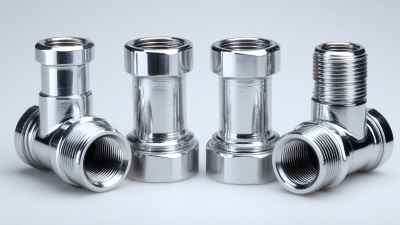
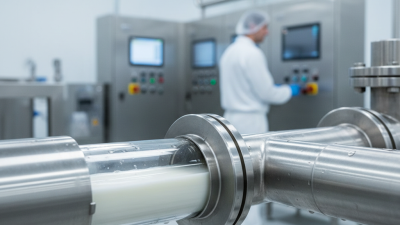
Sanitary connectors are classified by both physical design and joining method. Design categories include straight connectors, elbows, tees, reducers, unions, and hygienic sight-glass assemblies. Each shape controls flow direction, installation space, or process visibility. A short-radius elbow may save room, but it can increase cleaning difficulty. Geometry matters more than appearance.
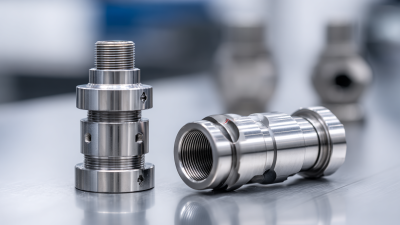
Connection methods create another practical classification. Clamp connectors support quick assembly and frequent maintenance. Welded connectors provide a permanent, low-leakage joint when installation is controlled correctly. Threaded connectors suit selected utility or low-risk applications, although exposed threads may trap residue.
Flanged connections handle larger pipelines and repeated removal, but they need accurate gasket compression. Aseptic connectors use specialized sealing designs for sensitive processes.
Material selection should match temperature, pressure, cleaning chemicals, and product contact requirements. Smooth internal surfaces reduce retention points. Proper alignment protects gaskets from uneven wear. Inspectors should also verify dimensional compatibility, surface finish records, and material traceability. These details support reliable quality decisions.
In practice, classification is not always clean. One connector may combine a reducer design with a clamp connection. Catalog terms can also vary between suppliers. That creates avoidable purchasing errors. Buyers should compare drawings, tolerances, sealing materials, and test documentation before approval. Small details matter.
Material selection controls cleanliness, service life, and replacement costs. Most hygienic connectors use 316L stainless steel because molybdenum improves resistance to chlorides and acidic cleaning solutions. The common alternative, 304 stainless steel, suits less aggressive environments. However, it may pit sooner under repeated chemical exposure. World Stainless reported global stainless steel production above 60 million tonnes in 2024, reflecting its central role in food, beverage, and pharmaceutical equipment.
Surface quality matters as much as alloy choice. Many sanitary designs specify an internal finish near Ra 0.8 micrometres or smoother, reducing residue traps around welds and ferrules. An EHEDG technical guideline stresses drainability, cleanable geometry, and minimized dead spaces. These details are practical, not decorative. A connector can look polished yet retain product in a poorly finished crevice.
Sealing materials require equal scrutiny. EPDM performs well with hot water and many alkaline cleaners, while PTFE offers broad chemical resistance and low friction. Silicone handles temperature changes effectively, but compression set can become a concern over time. A 2024 MarketsandMarkets report estimated the global elastomers market would grow steadily through 2029, supported by processing and medical applications. That forecast is useful, though it cannot replace validation with the actual cleaning cycle. In real plants, gasket life often depends on temperature, pressure, and operator habits. Small oversights remain expensive.
2026 Top Types of Sanitary Connectors for Global Buyers
Choosing a sanitary connector starts with the process, not the catalog image. Identify the fluid, operating temperature, pressure, and cleaning method. A connector for dairy liquids may need different sealing performance than one used with powders or viscous products. Small details matter.
Tri-clamp connections support quick assembly and visual inspection. Threaded connections can suit compact equipment, but trapped product may create cleaning concerns. Welded connections offer a smooth, permanent joint, although installation requires skilled preparation. Select hygienic stainless steel with a documented surface finish, suitable for repeated cleaning cycles. Seal material also deserves careful attention. It must resist heat, chemicals, compression, and the actual process fluid.
Global applications add another layer. Check dimensional standards, end types, pressure ratings, and available inspection documents before ordering. Confirm whether the connector fits local pipes, valves, and replacement parts. A drawing with tolerances is more useful than a product photo. In practice, many failures begin with a small mismatch.
Do not rely on “food grade” as the only quality statement. Request material certificates, batch traceability, surface-finish data, and clear testing records. Installation should avoid misalignment and excessive clamp force. I have seen suitable connectors perform poorly because the gasket was pinched during assembly. The selection may be correct, yet the installation remains weak. Recheck the cleaning cycle, maintenance habits, and future expansion plans before final approval.
Global buyers should match connector design with process risk, cleaning method, and regional standards. Clamp, union, threaded, and aseptic connectors serve different duties.
ISO 2852 clamp fittings suit many food and beverage lines. DIN 11864 designs support tighter aseptic requirements. ASME BPE solutions are common in bioprocessing systems.
However, a familiar standard does not guarantee full compatibility. Confirm tube dimensions, pressure ratings, temperature limits, and gasket materials before ordering.
Quality checks should begin with the material certificate. For demanding service, 316L stainless steel is often selected for corrosion resistance.
Inspect welds, ferrules, threads, and sealing faces under controlled lighting. Surface roughness, often specified near Ra 0.8 µm, must match the process requirement.
Lower is not always better. More important, the finish must be uniform and free from pits or crevices.
Ask for heat numbers, inspection records, dimensional reports, and elastomer compliance documents. CIP and SIP tests can expose weak seals quickly.
Purchasing teams should compare total risk, not only unit price. Check whether the supplier supports local documentation, spare seals, and replacement schedules.
Verify compatibility with cleaning chemicals and repeated thermal cycles. A polished connector can still have poor internal geometry. This is easy to miss.
Sampling one fitting may also hide inconsistent production quality. Require batch-based inspection and clear acceptance criteria.
I would also question vague terms such as “food grade” without test evidence. Standards differ by market, and certificates should be reviewed against the final application.
By continuing to browse or by clicking “Accept All Cookies,” you agree to the storing of first- and third-party cookies on your device to enhance site navigation, analyze site usage, and assist in our marketing efforts. View our Privacy and Cookie Policy.