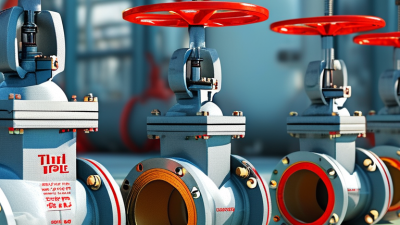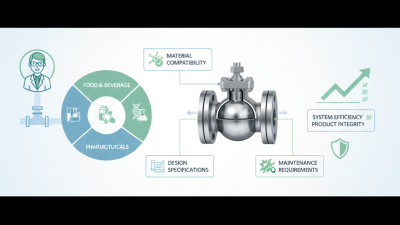
Global demand for sanitary pipe fittings is becoming more specification-driven, not merely price-driven. Buyers now compare material traceability, surface finish, pressure performance, and documented compliance. Grand View Research’s 2024 analysis of the global sanitary ware market indicates continued expansion through the decade. Its findings reflect stronger construction activity, renovation demand, and hygiene-focused investment across commercial and industrial facilities.
That growth creates a crowded supplier landscape. Some factories show polished catalogs but provide limited testing evidence. A reliable supplier should explain grade selection, welding quality, dimensional tolerances, and batch inspection procedures. ISO 2852 and related hygienic design standards remain useful references for stainless steel connections. In food, beverage, pharmaceutical, and clean-processing environments, buyers may also review 3-A Sanitary Standards, EHEDG guidance, or applicable regional requirements. NSF International publications provide another practical reference for materials used in drinking-water systems.
Details decide.
This 2026 guide evaluates sanitary pipe fittings suppliers through a global buyer’s lens. It considers product range, manufacturing experience, export capability, quality systems, customization, lead times, and after-sales support. Supplier claims should be checked against certificates, inspection reports, production samples, and customer references. No report is perfect. Market estimates can differ because analysts define sanitary products differently. That limitation deserves attention, especially when comparing suppliers from different regions. The strongest choice is not always the cheapest quote. It is the supplier that can repeatedly deliver clean surfaces, accurate dimensions, stable materials, and clear documentation. Those details protect installation schedules and reduce costly surprises.
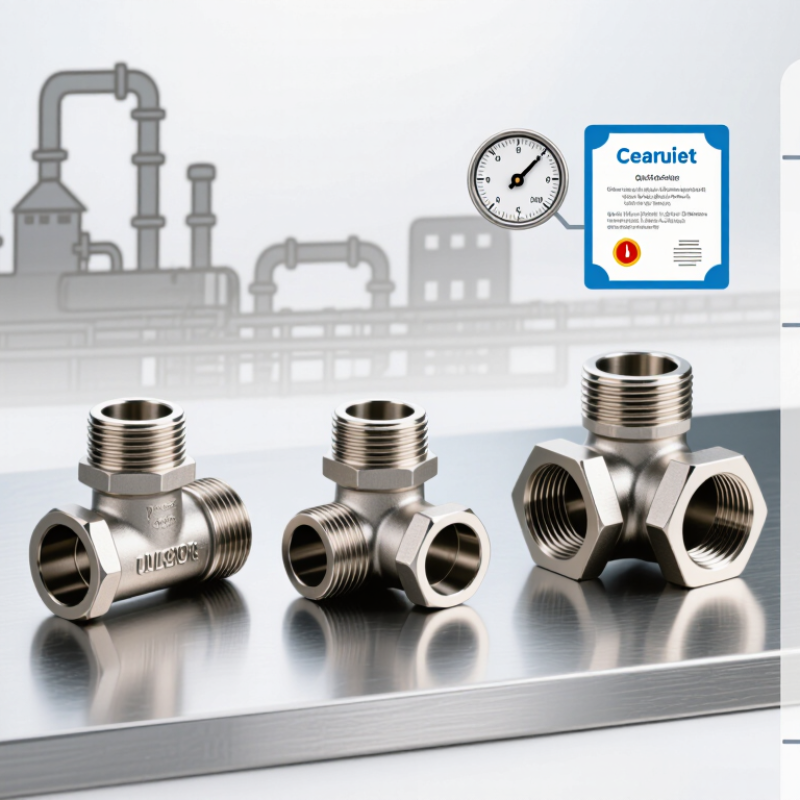
In 2026, a sanitary pipe fittings supplier must offer more than polished stainless steel. Global buyers need practical proof of hygienic performance, material consistency, and production control. A reliable supplier provides heat numbers, material certificates, dimensional reports, and surface-finish records for each batch. These documents should be easy to verify, not buried in email attachments.
Real experience matters. Suppliers should understand dead-leg risks, gasket compression, drainage, cleanability, and installation limits in food, beverage, pharmaceutical, and biotech facilities.
Laser-welded fittings may look precise, but poor alignment can create cleaning problems. Experienced technical teams check tolerances before shipment and explain where a standard fitting may not suit the process.
No supplier performs perfectly every time. Buyers should question unclear claims and inspect critical samples under proper lighting.
Tips: Ask for recent inspection records and production photos. Confirm stainless-steel grades, roughness values, pressure ratings, and packaging methods. Check whether the supplier supports traceability after delivery. A responsive team should answer technical questions with drawings, test data, and realistic lead times. Sustainability also deserves attention, including efficient material use, recyclable packaging, and responsible wastewater practices. However, digital certificates alone are not enough. Independent verification, sample testing, and clear corrective-action records provide stronger confidence. Some suppliers may offer low prices, yet hidden rework, delayed documentation, or inconsistent dimensions can increase the final cost.
For hygienic piping systems, material choice starts with corrosion resistance, cleanability, and product compatibility. 316L stainless steel remains a practical benchmark for dairy, beverage, and pharmaceutical lines. Its molybdenum content improves resistance to chlorides and cleaning chemicals. However, 316L is not automatically hygienic. Poor welding, rough surfaces, or dead legs can trap residue.
A 2024 food safety report from the World Health Organization notes that contaminated food causes about 600 million illnesses and 420,000 deaths annually. That risk makes fitting design important, not decorative. Sanitary suppliers should provide orbital-welded elbows, tees, reducers, clamps, and hygienic valves with documented surface finishes. Butt-weld fittings reduce crevices, while clamp connections support faster maintenance. Gaskets need chemical and temperature compatibility. EPDM, PTFE, and silicone each behave differently.
EHEDG guidance emphasizes drainability, smooth surfaces, and hygienic equipment design. Many buyers specify internal roughness near Ra 0.8 μm, but that figure alone can mislead. A polished surface may still fail when alignment is poor. Fitting dimensions should match tubing standards, pressure requirements, cleaning cycles, and thermal expansion. The 3-A Sanitary Standards framework also stresses cleanable construction and material suitability. In practice, supplier reliability depends on traceable mill certificates, weld records, dimensional inspection, and consistent batch quality. Mistakes still happen. A cheaper fitting can create expensive cleaning problems later.
| Fitting or Material | Common Specification | Typical Connection | Common Applications | Hygienic Design Considerations | What Buyers Should Verify |
|---|---|---|---|---|---|
| Elbow | Usually supplied in 45° and 90° configurations; dimensions depend on the selected tube standard. | Butt weld, hygienic clamp, or other compatible sanitary end connection | Changing direction in process, transfer, and utility lines | Confirm internal geometry and weld quality; avoid unnecessary dead legs and difficult-to-drain layouts. | Tube outside diameter, wall thickness, angle, end preparation, material grade, and dimensional standard |
| Tee and reducing tee | Equal or reducing branch sizes, selected to match the piping design | Butt weld or hygienic clamp | Branching product lines and connecting process equipment | Check branch geometry, drainability, and compatibility with the system’s cleaning method. | Run and branch dimensions, orientation, pressure and temperature design conditions, and inspection records |
| Reducer | Concentric or eccentric; reducers are selected to suit flow and installation requirements. | Butt weld or hygienic clamp | Transitioning between tube sizes near pumps, tanks, and process equipment | In horizontal lines, orientation can affect drainage and air-pocket formation; confirm the design with the process engineer. | End sizes, length, orientation, wall thickness, and alignment with the piping specification |
| Ferrule and clamp connection | Connection dimensions must match the selected sanitary connection system. | Clamp with compatible gasket and clamp hardware | Removable connections for equipment, instrument assemblies, and maintenance access | Gasket material and compression are important to sealing and cleanability; use compatible components as a matched assembly. | Connection standard, ferrule dimensions, gasket material, temperature limits, and component traceability |
| 316L stainless steel | Common hygienic-process alloy; specify the applicable material standard and product form. | Available across many sanitary fitting styles | Food, beverage, pharmaceutical, and other corrosion-sensitive process services | Molybdenum content generally improves resistance to certain forms of corrosion compared with 304; suitability depends on the process environment. | Material certificates, grade, surface condition, corrosion environment, and any project-specific requirements |
| 304 stainless steel | Common austenitic stainless-steel option for less demanding corrosion conditions | Available across many sanitary fitting styles | General-purpose hygienic and clean-service piping where compatible with the process media | May be unsuitable for some chloride-containing or otherwise aggressive environments; confirm compatibility before selection. | Grade documentation, media compatibility, cleaning chemicals, operating temperature, and required finish |
| Surface finish | Specify the required internal finish and measurement method in the purchase specification. | Applies to wetted surfaces of fittings and adjoining components | Systems where cleanability, product retention, or validation requirements are important | Ra values are not interchangeable unless measurement and acceptance methods are defined; electropolishing may be specified for particular applications. | Maximum internal Ra, inspection method, finish documentation, and treatment of welds and transitions |
| Standards and documentation | ASME BPE, EN 10357, or ISO 2037 may be relevant, depending on the system and project specification. | Confirm the same dimensional and connection basis across adjoining parts. | Regulated or standardized hygienic piping projects | Standards have different scopes and requirements; do not assume that a fitting conforms without supporting documentation. | Declared standard and edition, dimensional drawings, material certificates, inspection records, and traceability |
| Supplier selection note: Compare suppliers using documented material traceability, dimensional conformity, surface-finish evidence, quality controls, export packaging, and the ability to provide the exact connection system required by the project. Confirm all requirements in the purchase specification. | |||||
Selecting a sanitary fitting supplier starts with evidence, not a polished catalogue. Ask for material certificates linked to heat numbers, surface-finish records, weld maps, and passivation details. For product-contact lines, check the design against applicable ASME BPE or EHEDG requirements. Neither standard replaces reviewing drawings and inspection records. A 316L elbow may look flawless, yet a rough internal weld can trap residue.
Use quality-system credentials as one signal. ISO’s 2022 Survey of Management System Standard Certifications reported 1,265,216 ISO 9001 certificates across 189 countries. That figure shows how common certification is, not whether a specific fitting suits your process. Request recent inspection reports, dimensional tolerances, change-control procedures, and corrective-action records. Review a sample traceability pack before placing a large order. Small detail, big consequence.
Tips: Compare promised lead times with shipment history, not estimates alone. Ask how polished product-contact parts are kept separate from carbon-steel work. Check for capped ends, clean internal surfaces, and clear lot labels. If records arrive late, pause. A supplier may be technically capable but operationally uneven; price pressure can make buyers overlook that warning.
Global buyers should compare sanitary pipe fitting suppliers by more than catalogue size. Production capability matters when projects require repeatable dimensions, polished surfaces, and traceable material records. Ask how incoming steel is checked and how weld ends, wall thickness, and surface finish are inspected. A useful supplier can explain its process clearly, not just promise quality.
Services matter when specifications are incomplete or schedules shift. Check whether technical staff can review drawings, confirm connection standards, and flag details that may cause installation problems. Request sample inspection reports and clarify how nonconforming parts are handled. Small questions reveal a lot. Still, a polished report does not guarantee every shipment will match; buyers should define acceptance criteria before production.
Delivery comparisons should include packaging, export documents, production lead time, and communication during delays. Ask for a realistic shipment plan with inspection and packing dates, rather than relying on a single estimated delivery date. For long routes, protective caps and sturdy crates help keep fitting ends clean and undamaged. One detail is easy to miss: mixed-size orders can take longer to pack and verify. Supplier comparisons are never perfectly neat, since capacity and service quality can vary between orders. Keep written records of agreed specifications, inspection points, and delivery milestones.
For international buyers, supplier selection should begin with the process, not the catalogue. Record the product media, operating temperature, pressure, cleaning cycle, connection type, and required surface finish. A fitting used in a dairy CIP loop may face repeated chemical washing and heat. Ask suppliers for material certificates, dimensional drawings, traceability records, and clear tolerances. WHO estimates that contaminated food causes 600 million illnesses each year, making hygienic design and cleanability practical concerns, not cosmetic details (WHO, Estimates of the Global Burden of Foodborne Diseases, 2015).
Compare evidence, not promises. Request inspection reports and confirm how welds, crevices, and surface roughness are checked. Match stated specifications to recognized standards used in your sector, and verify documents against the actual part or batch. World Stainless reported global stainless-steel melt-shop production of 58.4 million tonnes in 2023; broad availability does not guarantee consistent quality between suppliers (World Stainless, 2023 Stainless Steel Melt Shop Production). A polished brochure is not proof.
For cross-border orders, check packaging, delivery terms, export documents, spare-part availability, and response times for technical questions. Ask for a sample when dimensions or finish are critical, then inspect it with the same gauges your team uses on arrival. This step is easy to skip. It can also expose a mismatch before a full shipment leaves the factory. Leave room in the schedule for clarification; specifications are sometimes less complete than buyers expect.
By continuing to browse or by clicking “Accept All Cookies,” you agree to the storing of first- and third-party cookies on your device to enhance site navigation, analyze site usage, and assist in our marketing efforts. View our Privacy and Cookie Policy.