10 Tips for Choosing Sanitary Pipe Fittings

Choosing sanitary pipe fittings is a practical decision with serious consequences. The wrong connection can trap product, resist cleaning, or create a weak point during production. A polished surface may look impressive, but appearance alone proves very little. Experienced engineers inspect welds, seals, internal transitions, drainage, and compatibility with cleaning chemicals. They also verify whether the fitting meets relevant 3-A Sanitary Standards, EHEDG guidance, or ASME BPE requirements.

Dr. Peter A. L. W. “Hygienic design is about making equipment cleanable, inspectable, and safe,” says hygienic-design specialist Dr. Holah. His point deserves attention. Sanitary pipe fittings must support reliable cleaning-in-place cycles, not merely connect two pipes. Material grade, often 316L stainless steel, matters. Surface roughness matters too. So do orbital weld quality and the absence of unnecessary dead legs. Small details become expensive problems later.

This guide presents ten practical tips for selecting sanitary pipe fittings across food, beverage, dairy, pharmaceutical, and biotechnology applications. It considers pressure, temperature, flow, elastomer choice, connection style, maintenance access, and supplier documentation. Some recommendations may seem obvious. They are still missed surprisingly often. Real installations are rarely perfect. A fitting can satisfy a specification and remain inconvenient to clean. That is why selection should include site experience, operator feedback, and careful review of failure records. The best choice is not always the most expensive fitting. It is the one that stays hygienic, traceable, serviceable, and dependable throughout its working life.
10 Tips for Choosing Sanitary Pipe Fittings

Define Sanitary Pipe Fittings and Their Main Applications

10 Tips for Choosing Sanitary Pipe Fittings

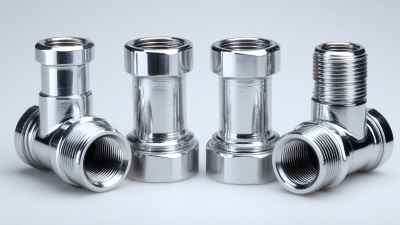
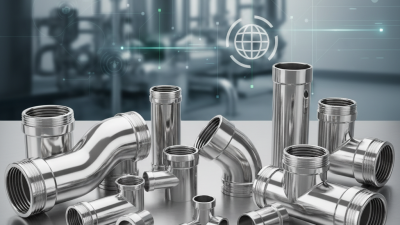
Sanitary pipe fittings are hygienic connectors used to transport food, beverages, medicines, cosmetics, and biological fluids. They include elbows, tees, reducers, clamps, valves, and sight glasses. Their design limits contamination, product retention, and difficult-to-clean areas. Common materials include 316L stainless steel, selected for corrosion resistance and cleanability. Smooth internal surfaces matter. So do drainability, accurate welding, and properly sealed connections.

In dairy and beverage plants, fittings must support frequent clean-in-place cycles. Pharmaceutical and biotechnology systems may also require steam sterilization and documented surface finishes. EHEDG hygienic-design guidance warns that dead legs can trap residue and microorganisms. That small pocket may look harmless. It is not. The World Health Organization estimates that contaminated food causes about 600 million illnesses and 420,000 deaths worldwide each year. This makes hygienic pipe design a practical safety control, not merely an engineering preference.

When choosing fittings, check pressure, temperature, cleaning chemicals, flow direction, and inspection access. Confirm compatibility with CIP and SIP procedures. Review certificates, weld records, and traceability documents from the supplier. According to the U.S. Food and Drug Administration’s Food Code, equipment surfaces should be durable, corrosion-resistant, and easily cleanable. A polished surface alone cannot fix poor installation. I have seen reliable fittings fail because gaskets were mismatched or clamps were overtightened. The specification may be correct. The installation still needs honest review.

10 Tips for Choosing Sanitary Pipe Fittings

Sanitary pipe fittings are hygienic components used to connect, redirect, reduce, control, or terminate piping in systems where product purity and cleanability are essential. Common applications include dairy processing, food and beverage production, pharmaceuticals, biotechnology, and cosmetics.

The chart uses an indicative 1–5 priority scale based on common hygienic design practices. When choosing fittings, consider 316L stainless steel, smooth product-contact surfaces, crevice-free connections, drainability, clean-in-place compatibility, sterilization conditions, pressure and temperature requirements, gasket compatibility, and applicable standards such as ASME BPE, 3-A Sanitary Standards, or EHEDG guidance.

Match Fitting Materials with Hygiene and Process Requirements

10 Tips for Choosing Sanitary Pipe Fittings

Match Fitting Materials with Hygiene and Process Requirements

Selecting sanitary pipe fittings starts with the product, not the catalogue. A fitting for milk, purified water, or acidic sauce faces different hygiene demands. In field inspections, I look closely at welds, crevices, and gasket compression. These small details often decide whether cleaning succeeds.

For many food and pharmaceutical lines, 316L stainless steel offers strong corrosion resistance. However, the grade alone does not guarantee a hygienic installation. Chloride-rich cleaners can still damage poorly finished surfaces. Specify an internal roughness suitable for the process, often around Ra 0.8 micrometres or smoother. Avoid threaded areas where residue can collect. Keep fluid paths short and free from dead legs.

Gasket selection needs equal attention. EPDM may suit hot water and alkaline cleaning, while PTFE can handle aggressive chemicals. Confirm compatibility with temperature, pressure, and repeated cleaning cycles. A gasket that swells after several weeks is not a minor issue. It can shed particles or create a hidden harbour for microbes. I have seen teams choose a material from habit, then revise the specification after the first cleaning trial. That delay is avoidable, but real plants are rarely perfect.

Check whether fittings tolerate CIP and SIP conditions without distortion. Electropolished surfaces can improve cleanability, yet they cannot repair poor alignment or rough welds. Request material certificates, surface records, and inspection data. Then compare them with the actual process, not just the drawing. The best choice is sometimes less obvious.

Check Size, Connection Type, and System Compatibility

When selecting sanitary pipe fittings, start with measured dimensions, not catalog labels. Confirm tube outside diameter, inside diameter, wall thickness, and pressure rating. A one-millimeter mismatch can damage a gasket or create a cleaning shadow. Measure twice.

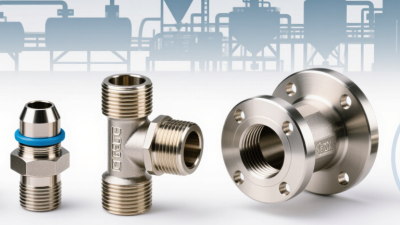
Connection type must match the installed system. Tri-clamp fittings support quick removal, while welded joints reduce crevices when properly executed. Threaded connections deserve caution in product-contact zones. Check ferrule geometry, gasket profile, weld procedure, and tool access.

EHEDG hygienic-design guidance emphasizes drainability, cleanable surfaces, and controlled dead legs. ASME BPE also defines expectations for bioprocess dimensions, materials, and surface quality. These documents help, but they do not replace an onsite fit-up check.
That is where many projects become expensive.

System compatibility includes more than stainless steel grade. Verify cleaning chemicals, CIP temperature, SIP exposure, flow velocity, and elastomer resistance. A fitting may tolerate pressure yet swell after repeated alkaline cleaning. The World Health Organization estimates 600 million foodborne illnesses and 420,000 deaths globally each year. Its 2015 burden-of-disease report shows why hygienic details matter. Select a suitable surface finish, often with a specified Ra value, and document material certificates.

Recheck every interface before installation. Small omissions remain common.

Evaluate Surface Finish, Cleanability, and Corrosion Resistance

10 Tips for Choosing Sanitary Pipe Fittings

Evaluate Surface Finish, Cleanability, and Corrosion Resistance

Tip 1: Inspect the surface under strong, angled light.

A sanitary fitting should feel smooth, without pits, deep scratches, weld discoloration, or trapped residue. In my experience, a polished appearance can be misleading. Some rough areas hide near threads, seals, or bends. Measure surface roughness when hygiene requirements demand documented control, rather than relying only on touch.

Tip 2: Think about cleaning, not just installation.

Choose fittings with rounded transitions, minimal crevices, and drainable geometry. Internal dead legs can retain moisture, product residue, and cleaning chemicals. Shorter paths are usually easier to flush. Usually, but not always. I have seen poorly aligned connections create pockets even when the fittings looked correct. Confirm cleaning access, gasket placement, and the actual flow direction before approval.

Tip 3: Match corrosion resistance to the process environment.

Consider water quality, temperature, disinfectants, acids, chlorides, and cleaning frequency. A suitable alloy may perform well in one system and deteriorate in another. Check certificates, finish records, and compatibility data from qualified suppliers. Then inspect the delivered parts. Reliable selection includes verification. Surface contamination, damaged packaging, or careless storage can undermine excellent material choices before installation begins.

Confirm Standards, Installation Needs, and Long-Term Value

Choosing sanitary pipe fittings starts with verified standards, not attractive photographs or low prices. Confirm the required standard in your process documents, such as ASME BPE or ISO specifications. Requirements may differ for food, pharmaceutical, and high-purity water systems. Check the fitting material, pressure rating, temperature range, and surface finish. A smooth internal bore reduces residue and supports effective cleaning. Ask for material certificates and inspection records. Keep records.

Installation conditions deserve equal attention. Measure the pipe outside diameter and wall thickness before ordering fittings. Check whether the layout needs welded, clamp, or aseptic connections. Leave enough clearance for tools, seals, and future maintenance. A fitting may meet every standard but still fail in a cramped installation. Small details matter.

Inspect gasket compatibility with cleaning chemicals, steam, and operating temperatures. Confirm that clamps can handle vibration without stressing the joint. Use qualified welding procedures and inspect weld interiors where possible. Do not assume a bright finish proves cleanliness. It does not. Long-term value includes replacement access, spare-part availability, cleaning time, and downtime risk. Over-specifying every component can waste money, yet choosing the cheapest option often creates hidden service costs. A practical selection balances compliance, installation effort, durability, and documented performance. Review the decision with maintenance staff before purchase, because they will face the fittings during the least convenient hour.

10 Tips for Choosing Sanitary Pipe Fittings - Confirm Standards, Installation Needs, and Long-Term Value
No. Selection Tip What to Confirm Practical Technical Guidance Why It Matters Long Term Priority
1 Verify the applicable standard Identify the required piping, hygienic-design, pressure, and material standards for the application and installation location. Check that the fitting documentation identifies the relevant standard editions, dimensional requirements, pressure ratings, and inspection criteria. Food, beverage, pharmaceutical, and potable-water systems may have different regulatory requirements. Correct standard selection reduces approval delays, compatibility problems, and the risk of replacing nonconforming components after installation. High
2 Match the fitting material to the process Review fluid chemistry, temperature, chloride exposure, cleaning agents, and external environmental conditions. Common hygienic systems use corrosion-resistant stainless steels such as 304 or 316/316L, but the suitable grade depends on the media and cleaning regime. Confirm material certificates when traceability is required. Material compatibility helps prevent corrosion, contamination, leakage, and premature replacement. High
3 Choose the correct connection type Determine whether the system requires welded, clamp, threaded, flanged, or another connection method. Use connection types that match the existing pipe ends, available tools, maintenance procedures, and hygienic requirements. Clamp connections can simplify disassembly, while welded joints can reduce crevices when properly designed and finished. A suitable connection method improves installation efficiency and makes future inspection, cleaning, and maintenance more predictable. High
4 Confirm dimensional compatibility Check nominal size, outside diameter, wall thickness, end dimensions, face-to-face length, and tolerances. Do not rely only on nominal pipe size. Compare the fitting dimensions with the pipe, gasket, valve, pump, and equipment connections in the actual layout. Accurate dimensional matching prevents forced assembly, misalignment, added stress, and costly field modifications. High
5 Check pressure and temperature ratings Confirm the fitting rating at the system's actual operating and cleaning temperatures, including pressure surges. Consider operating pressure, maximum allowable pressure, thermal cycling, steam or hot-water cleaning, and pressure drop. The lowest-rated component can limit the performance of the complete assembly. Proper rating selection lowers the risk of deformation, seal failure, rupture, and unplanned shutdowns. High
6 Evaluate hygienic design details Inspect internal surface finish, dead-leg potential, crevices, drainability, weld quality, and gasket positioning. Prefer smooth, cleanable internal surfaces and layouts that avoid stagnant zones. The acceptable surface finish and design details should be confirmed against the process and applicable hygienic-design requirements rather than assumed from appearance alone. Good hygienic design supports effective cleaning and reduces the likelihood of product retention, microbial growth, and cross-contamination. High
7 Select gaskets and seals for the service Match gasket or seal material to the fluid, temperature range, pressure, cleaning chemicals, and regulatory requirements. Confirm chemical resistance, temperature limits, compression requirements, dimensions, and replacement availability. A seal may be suitable for the product but unsuitable for hot cleaning chemicals, or vice versa. Correct seals reduce leakage, contamination risk, maintenance frequency, and unexpected downtime. High
8 Review installation and maintenance needs Assess access space, tightening or welding requirements, inspection points, cleaning method, and replacement procedure. Confirm whether installation requires specialized tools, orbital welding, controlled torque, alignment equipment, or post-installation inspection. Provide adequate clearance for removing clamps, gaskets, and adjacent components. Fittings that are easy to install and service can reduce labor costs, maintenance time, and the chance of installation errors. Medium
9 Demand traceability and quality records Determine which documents are required, such as material certificates, dimensional inspection records, surface-finish reports, pressure-test results, and certificates of conformity. Use consistent identification, lot or heat numbers where applicable, and documentation that links supplied parts to the purchase specification and inspection requirements. Traceable records simplify audits, root-cause investigations, warranty claims, and controlled replacement of critical components. Medium
10 Compare total cost of ownership Evaluate purchase price together with installation labor, cleaning performance, spare parts, inspection, replacement frequency, energy use, and downtime risk. Compare technically equivalent options using expected service life, gasket and seal availability, standardization across the plant, delivery time, and maintenance requirements—not purchase price alone. A higher initial cost may be justified when it delivers longer service life, fewer failures, easier maintenance, and lower lifecycle operating costs. Medium